


How To Choose The Right Deck Width: 32mm vs 34mm vs 36mm Explained
Choosing the right width fingerboard deck can make a big difference in how comfortable your setup feels and how easily you can control your tricks. If you’re new to fingerboarding, terms like 29mm, 32mm, 34mm, or 36mm can be confusing, but they just describe how wide your deck is from side to side.
Standard Widths: 32mm–34mm
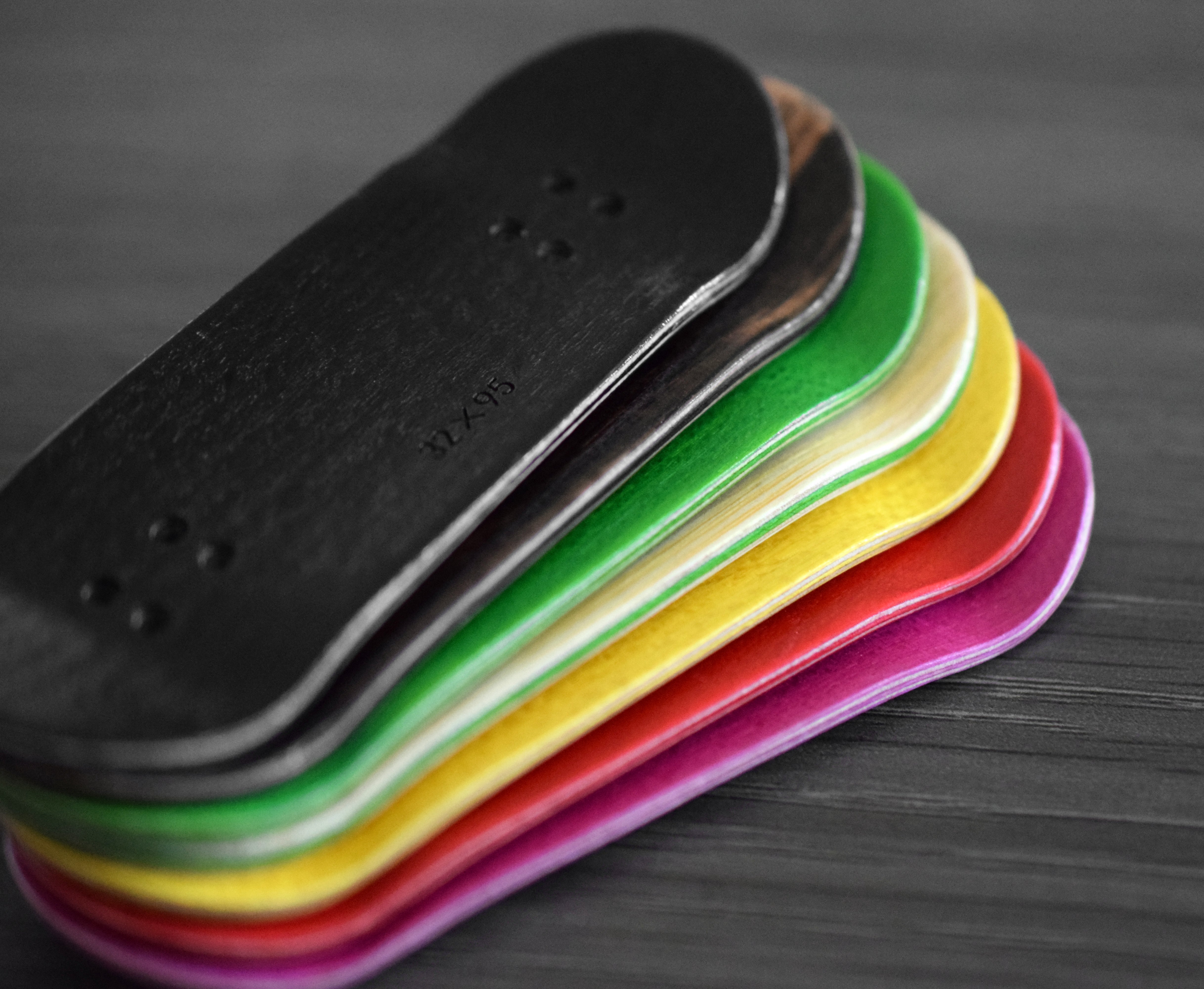
For most fingerboarders, anything between 32mm and 34mm is the sweet spot. These sizes are considered the current industry standard and are a great place to start if you’re new. 32mm and 34mm feels natural for most hand sizes.
- Easy to flip: Standard-width decks are well-balanced for tricks like kickflips and heelflips. They’re not too fast or too slow in the air, which helps when you’re learning.
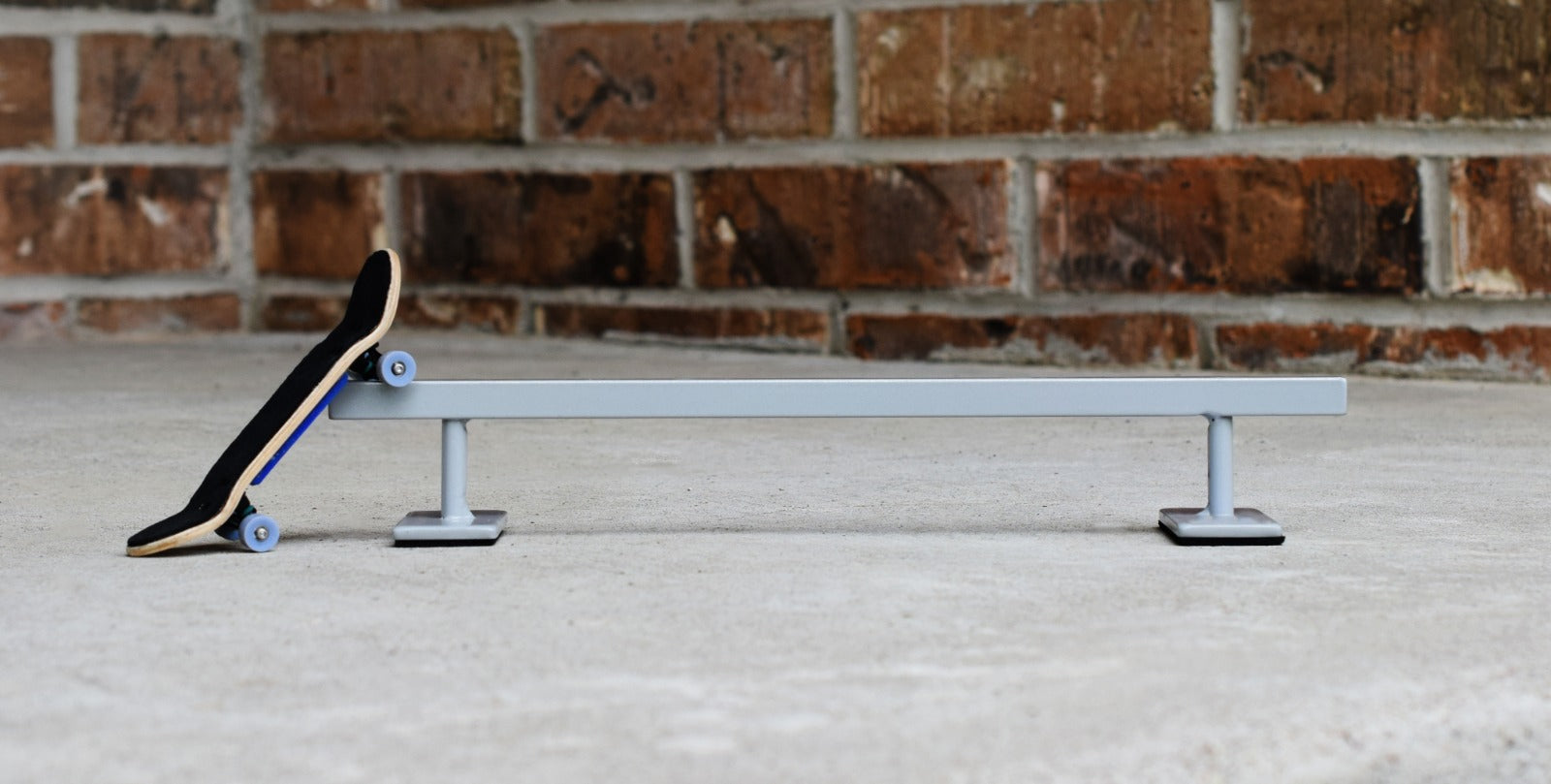
- Good all-around option: Whether you want to ride parks, rails, or ledges, 32mm–34mm works well for most styles of fingerboarding.
- Great starting option: If you’re not sure where to start, a 32mm or 34mm deck is usually the best first choice.
Wider Widths: Up to 36mm
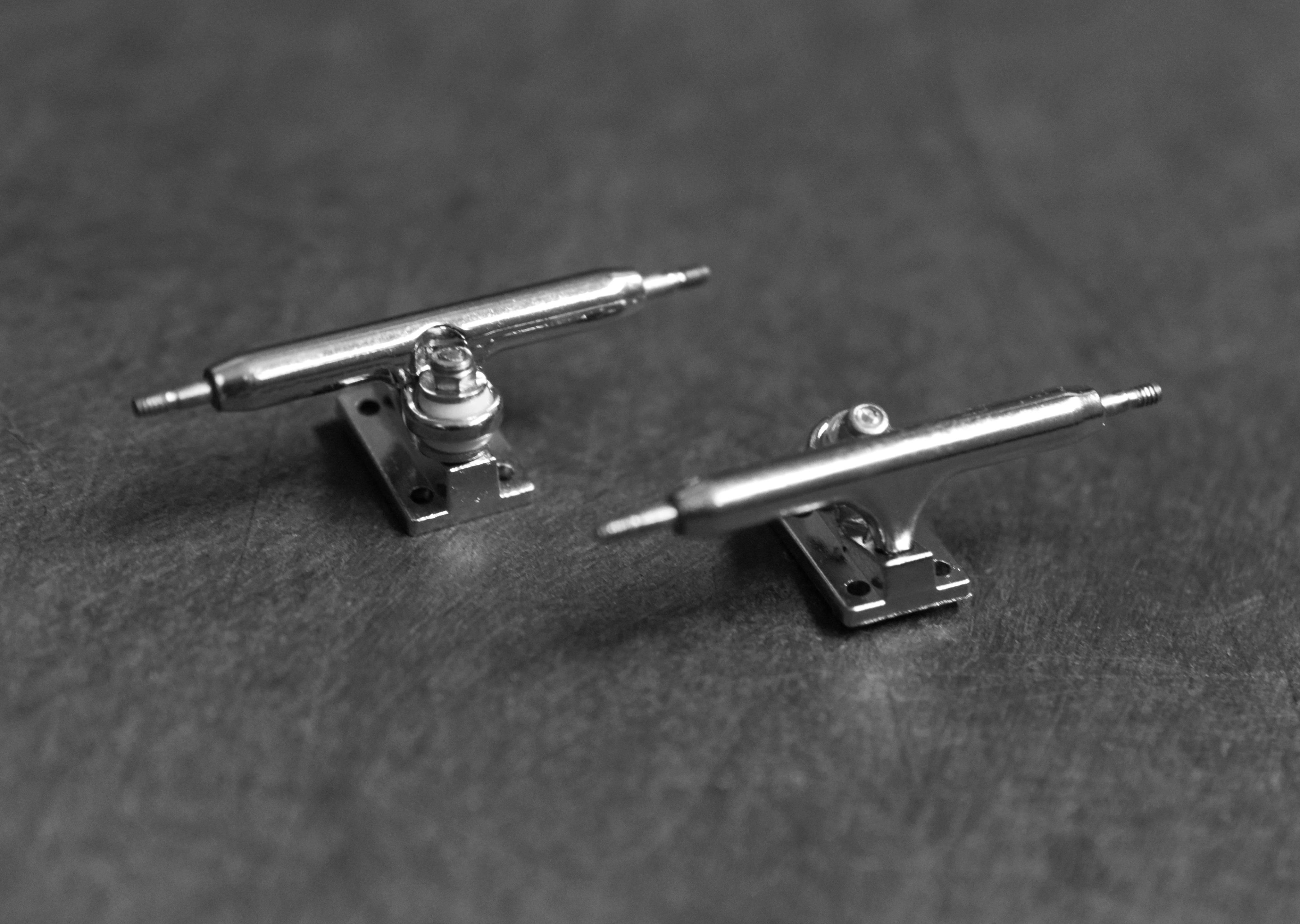
Anything up to 36mm is generally considered a wider fingerboard deck. Many riders like wider setups for comfort and stability. Teak Tuning offers 36mm trucks to pair with wider decks, so your wheels line up correctly and your setup feels smooth and consistent.
- Slower to flip: Because there’s more material, wider decks can feel a bit slower or “heavier” in the air on flip tricks. This can actually help with control once you get used to it.
- More surface area to land on: The extra width gives you more room for your fingers to catch the board, which can make landing tricks feel more forgiving.
- Good for larger hands: If you have bigger hands or longer fingers, wider decks can feel more natural and comfortable to ride.
Slimmer Widths: Around 29mm
On the other end of the spectrum, 29mm decks are considered "slimmer" or "narrow." These are less common for beginners but can be very fun once you know what you like. Teak Tuning also offers 29mm trucks specifically for these thinner decks.
- Flips faster: With less width and weight, 29mm decks flip quicker in the air. This can make tech tricks feel snappy and responsive.
- Less surface area to land on: Because the deck is narrower, you have less room for your fingers when catching tricks. This can be more challenging for beginners.
-
Nostalgic: Some riders prefer the tighter, more “techy” feel of a thin setup, especially for technical ledge and rail tricks.
Which Width Should You Choose?
If you’re just starting out with fingerboarding, here are our reccomendations:
- Best starting point: Try 32mm or 34mm (standard, balanced, and beginner-friendly)
- If you have larger hands: Try up to 36mm
- If you want a fast, techy feel and don’t mind a challenge: Try 29mm
Remember, there’s no “wrong” width, just what feels best for your fingers and your style. Many fingerboarders try a few sizes before they find their favorite. If you’re building a complete setup, make sure to match your trucks to your deck width. For example, 29mm trucks for 29mm decks, 36mm trucks for 36mm decks. If you're riding a size that does not have any corresponding truck widths (like 33.5mm) they use whichever trucks are closest in width.
Leave a comment