

How to Start a Fingerboarding Club at Your School
We get a lot of messages from students who want to start a fingerboarding club at school. We've helped schools across the country get their clubs going, so here's what works, from pitching the idea to keeping the club growing.
Pitch it as a hands-on design and engineering club, start with a few beginner-friendly boards and DIY ramps, and give members roles. Message us on Instagram at @teaktuning. We have a ready-made presentation you can use to pitch your club, and we love helping school clubs get started.
Step 1: Pitch your club to the school
Asking your principal for a fingerboarding club might get you a few funny looks at first. It's all in how you pitch it. Here's what helps clubs get approved:
- It's hands-on engineering. Members build ramps, work with angles and test how things move.
- It teaches design skills. Custom deck art and setup design are real creative projects.
- It builds community. Fingerboarding brings people together, and everyone can join in.
- It's good for focus. Working with your hands on something detailed helps you concentrate.
Need a pitch deck? We have a ready-to-go presentation for pitching your club. Send us a DM on Instagram at @teaktuning and we'll send it over.
Step 2: Get the gear
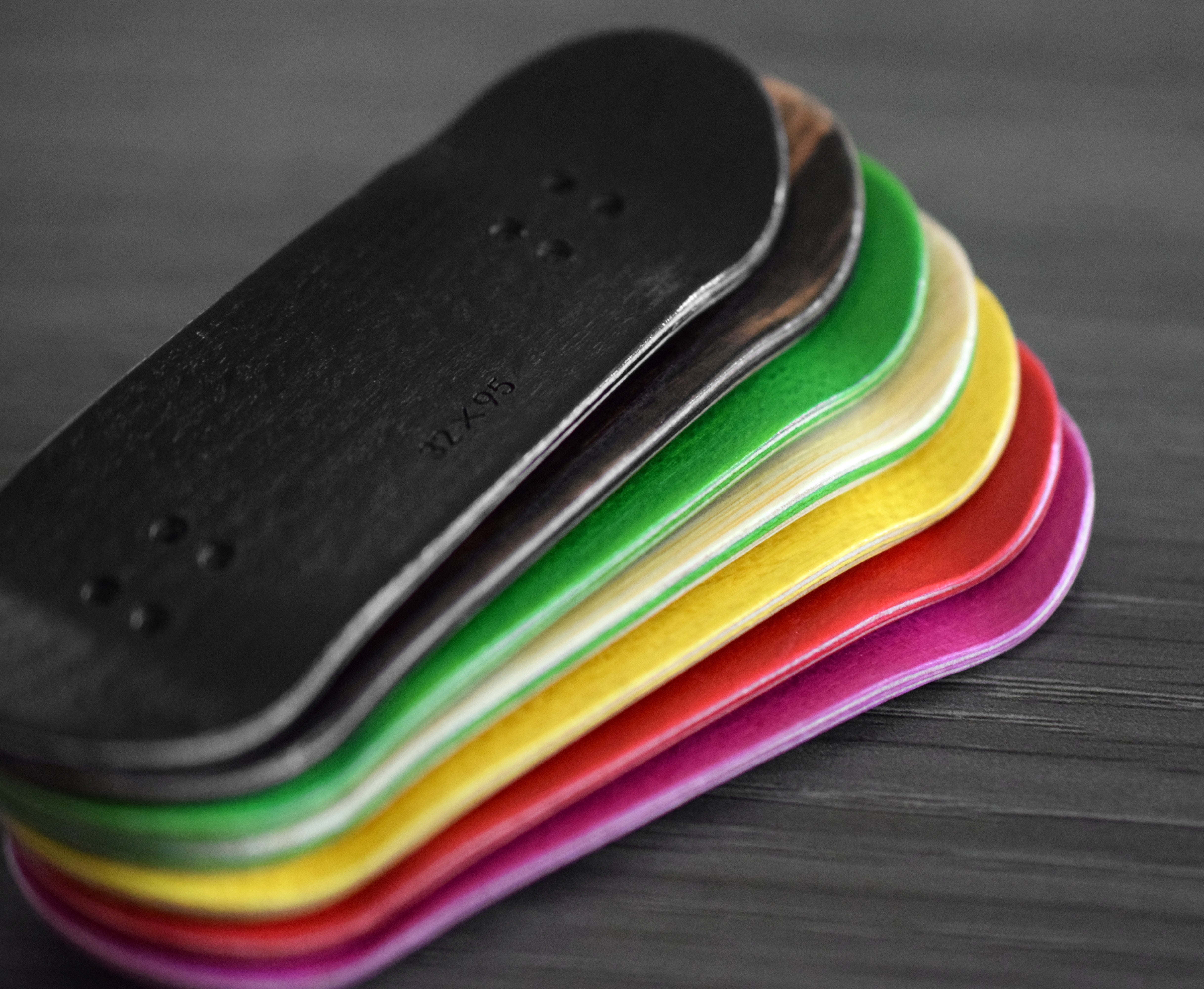
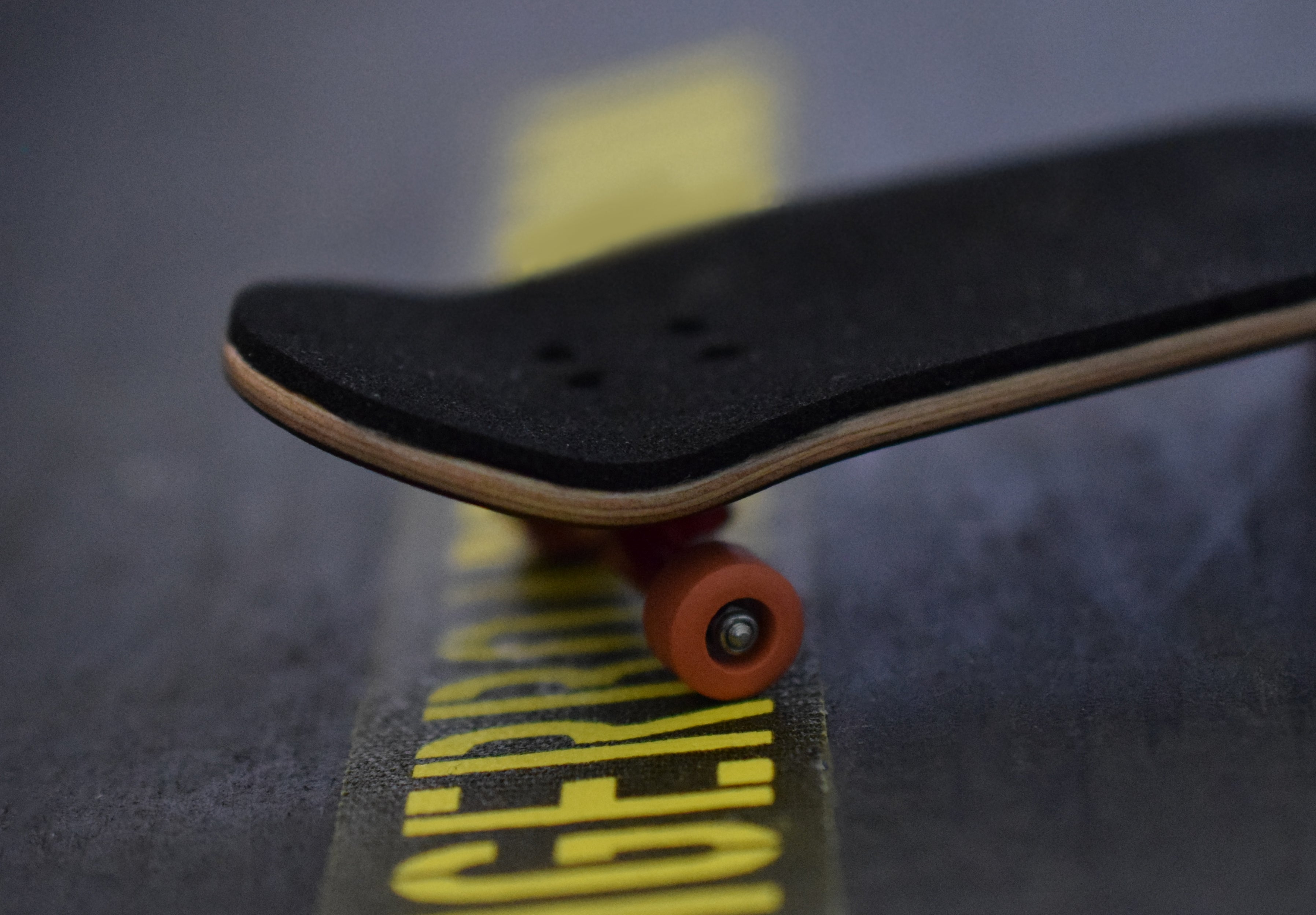
- Starter boards. Fully assembled PROlific Gen2 Completes are tough and ready to ride, which makes them great for learning.
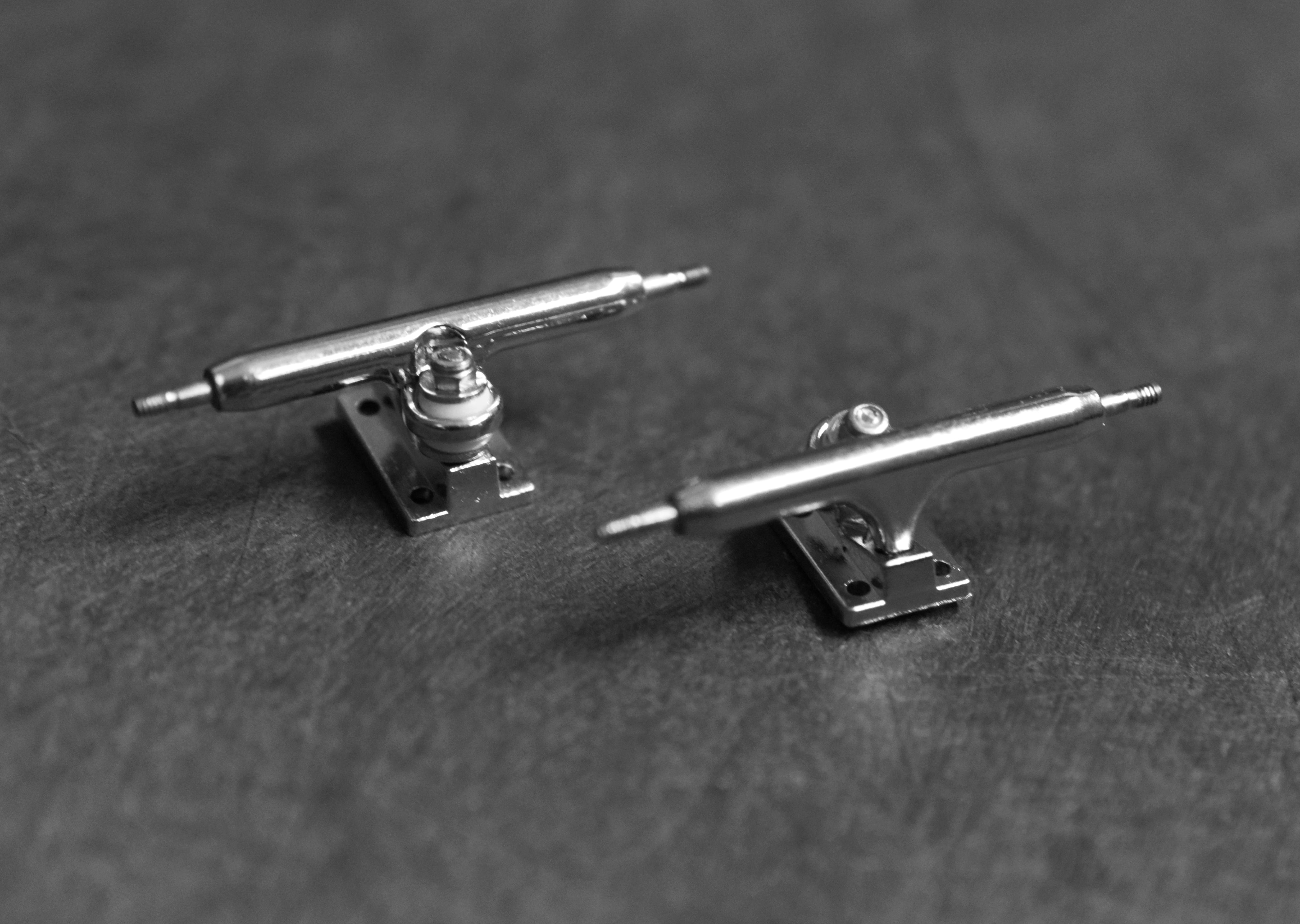
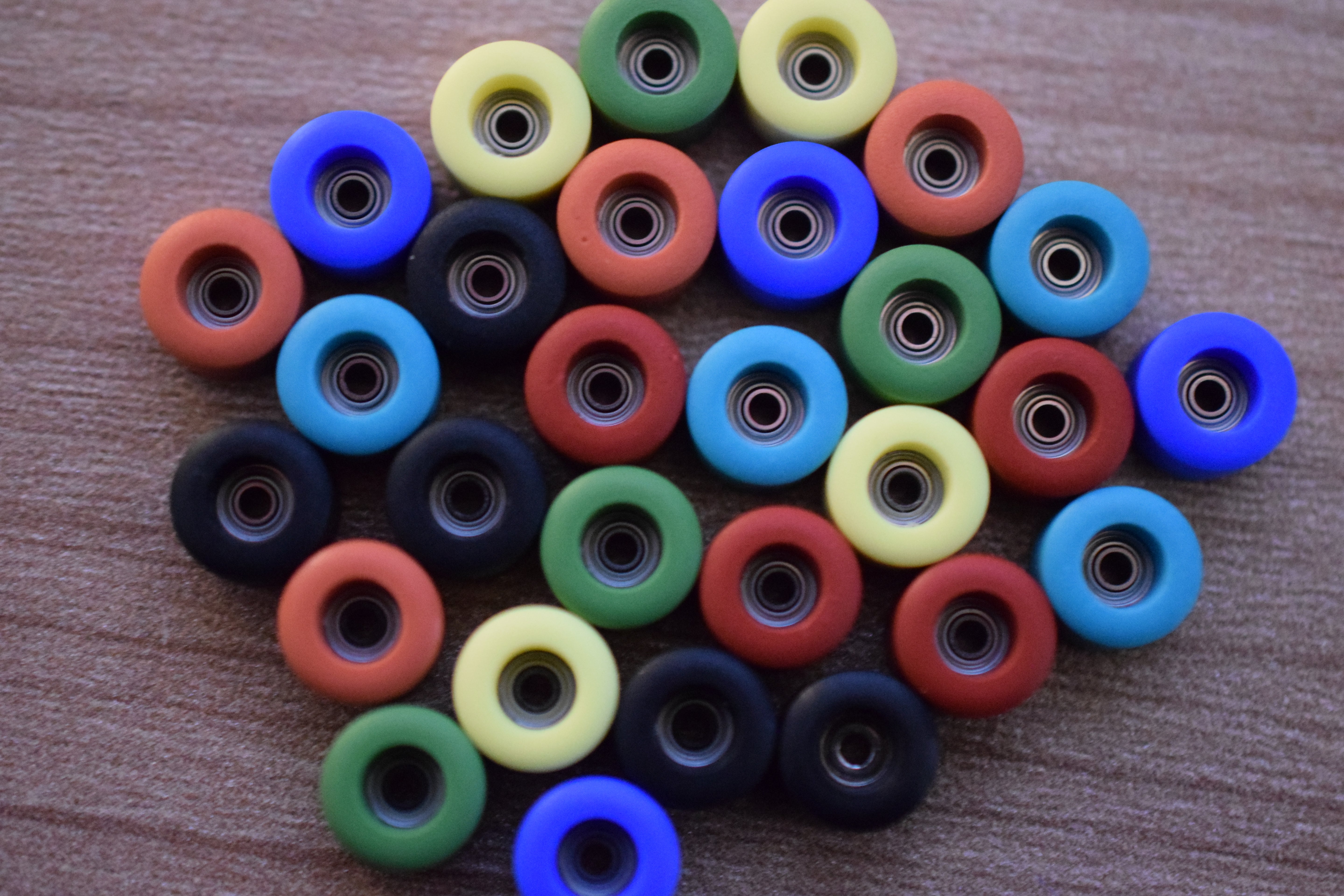
- Shared supplies. Keep extra grip tape, wheels, lock nuts and a couple of tools on hand.
- Something to skate. Start with DIY ramps from cardboard and wood scraps (your shop teacher can help), then add a few ramps and rails as the club grows.
We love supporting school clubs. Reach out and ask about club deals.
Step 3: Make meetings fun
- Trick of the week: everyone works on one trick, and the winner gets bragging rights.
- Ramp building sessions: turn cardboard boxes into new obstacles.
- Film your lines: film each other and share the best clips.
- Design sessions: team up with the art club on custom deck designs.
Step 4: Give members a role
- President: runs meetings and keeps the energy up.
- Equipment manager: keeps track of the gear.
- Social media lead: runs the club's account.
- Events planner: plans competitions and demos.
Step 5: Keep it growing
- Ride at lunch where people can see you. Curious classmates will ask to try.
- Host beginner-friendly sessions where everyone gets a turn.
- Welcome everyone, from total beginners to riders who've been at it for years.
- Mix up activities from week to week, and make the club your own.
Small lunch meetups can grow into big communities. Keep us posted on how it goes and tag @teaktuning in your club's posts. We love seeing what you all make.
FAQ
How do I convince my school to approve a fingerboarding club?
Pitch it as a hands-on design and engineering club that builds community and focus. DM us on Instagram at @teaktuning and we'll send you our presentation for pitching it.
What gear does a fingerboarding club need?
A few beginner-friendly boards, shared grip tape, wheels, lock nuts and tools, and something to skate. DIY ramps from cardboard and wood scraps are a great start.
Does Teak Tuning help school clubs?
Yes. We love helping school clubs get started. Reach out on Instagram at @teaktuning or through our contact page to ask about club deals and our pitch presentation.
What do you do at a fingerboarding club meeting?
Trick challenges, ramp building, filming lines and design sessions. Mixing it up week to week keeps it fun.
Leave a comment